CANARI-supported research reveals Arctic winter sea ice decline has resumed
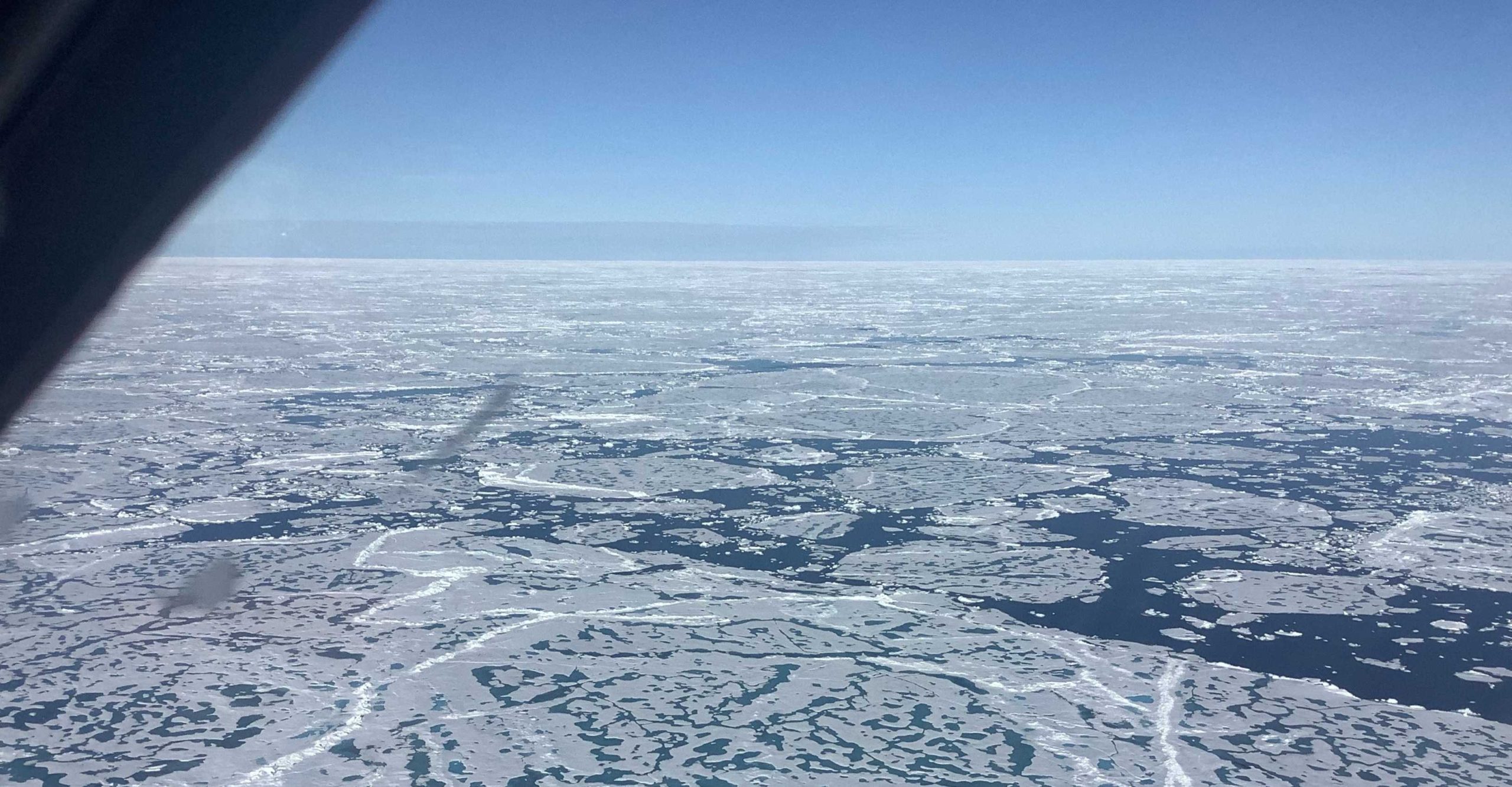
A new study published in PNAS shows that the apparent slowdown in Arctic winter sea-ice loss seen in the early 2020s was temporary. Record-low winter sea-ice extents observed in 2025 and 2026 have restored a statistically significant long-term decline, providing fresh evidence that Arctic sea ice continues to shrink in response to climate change.
The research found that the winters of 2025 and 2026 recorded exceptionally low sea-ice extent during both the growth and peak winter seasons. The 2025 winter saw the largest year-to-year drop in the satellite record, while 2026 maintained record or near-record low conditions. When these new observations are included, 20-year trends in winter sea ice once again show a significant decline.
Using climate model simulations, the study also demonstrates that the dramatic 2025 ice loss, while unusual, is physically consistent with continued Arctic warming. The analysis suggests the recent changes are more likely to represent an ongoing downward trajectory in winter sea ice rather than a return to the relatively stable conditions seen earlier in the decade.
“The model analogues suggest that, under current levels of Arctic warming, Arctic winter sea ice is more likely to fluctuate around a lower level over the next few years than quickly rebound to early 2020s conditions.”
Professor Simon Josey
The study highlights the value of CANARI in advancing understanding of Arctic climate change. By supporting the development, analysis and interpretation of climate observations and model simulations, CANARI has helped provide the scientific foundations needed to assess emerging climate risks and improve confidence in projections of future Arctic change.